Careful work.
Real vehicles.
A small look at the hands-on work behind Automotive Excellence—from diagnostic testing and engine repair to fabrication. The photos here are a starting selection; more examples can be added as Sjon shares them.
The details matter before, during, and after the repair.
Each image offers a glimpse of real work already completed or underway. As the gallery grows, it can show more of the diagnostic process, repair details, and finished results—without asking customers to sort through a long unorganized feed.
Measure first. Interpret carefully.
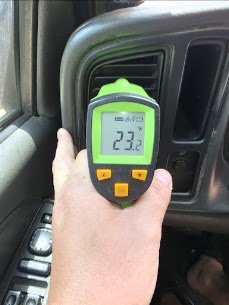
Diagnostic tools help build a picture of what the vehicle is doing. Readings are interpreted in context instead of treating a single number or code as a parts list.
Follow the problem into the system.
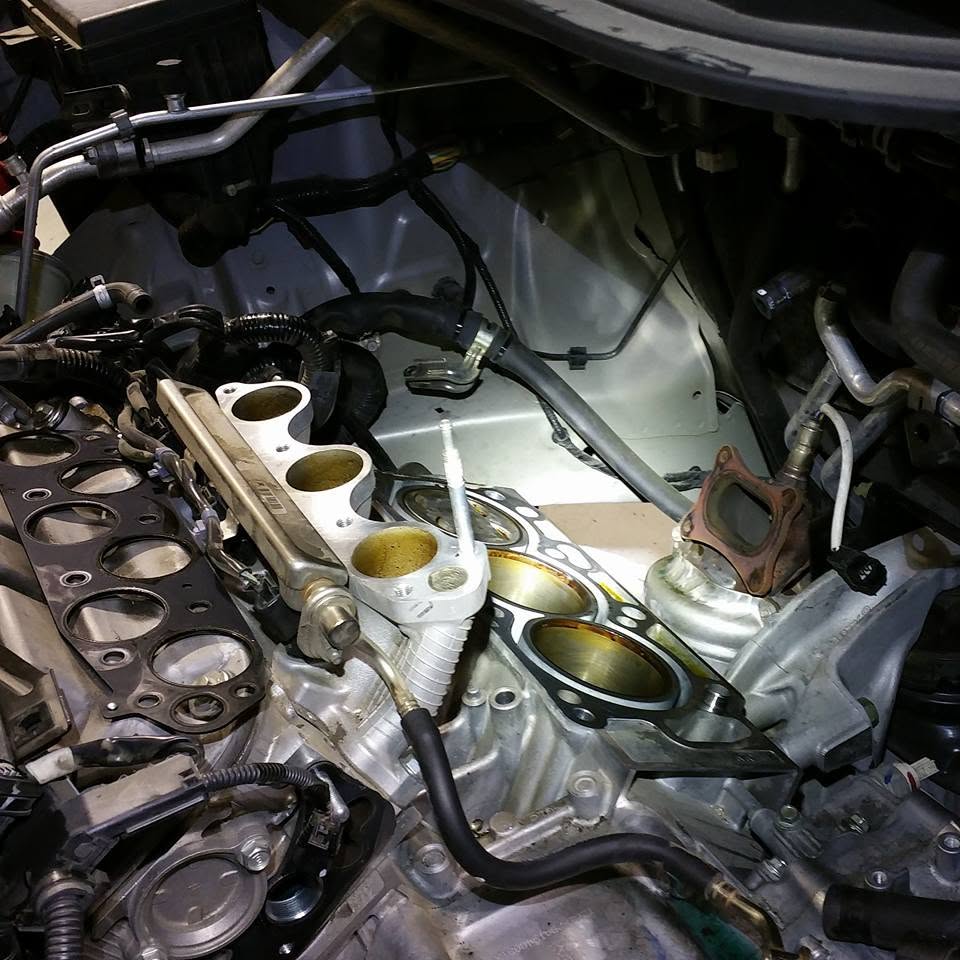
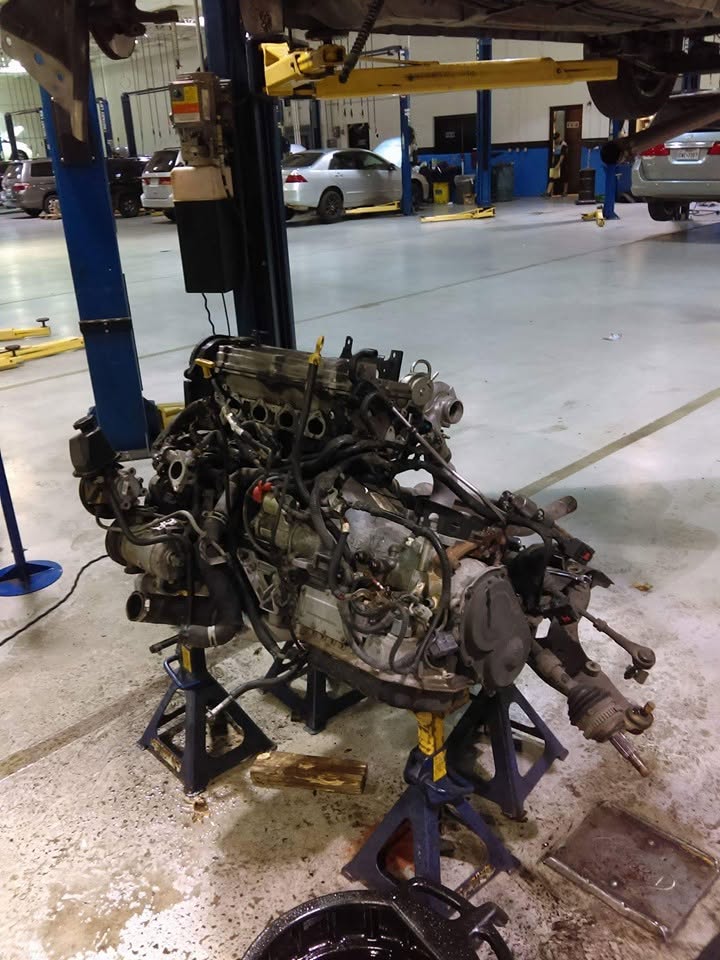
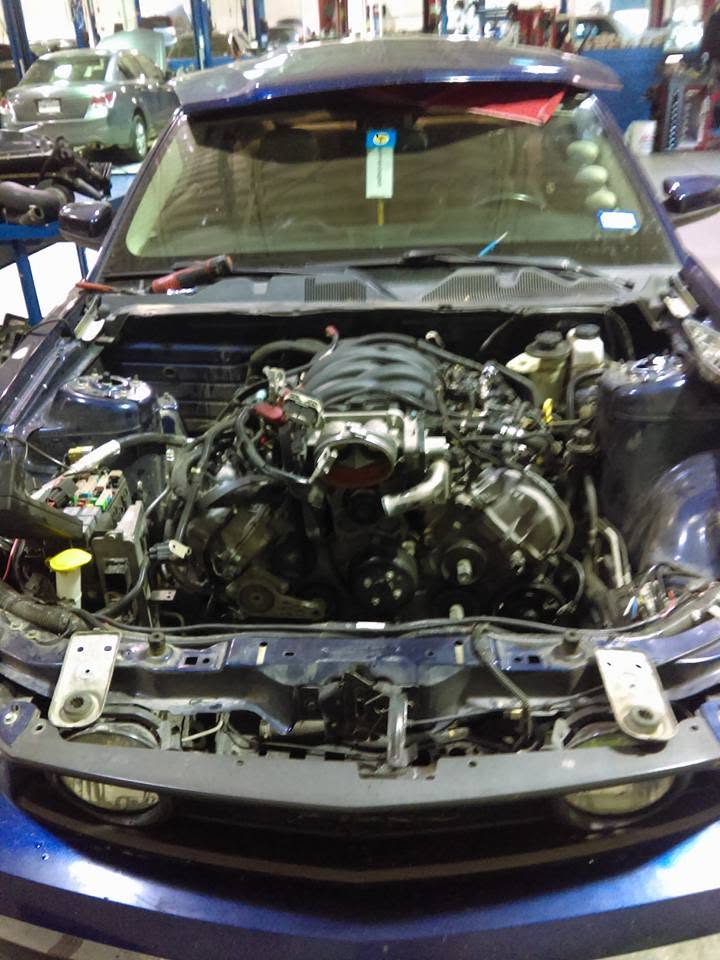
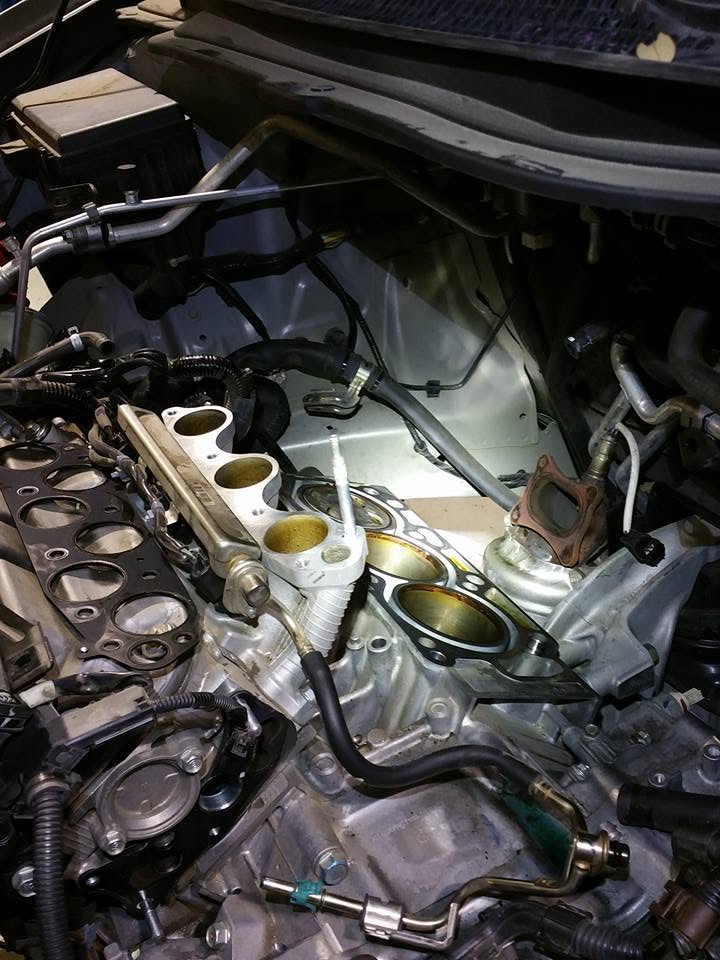
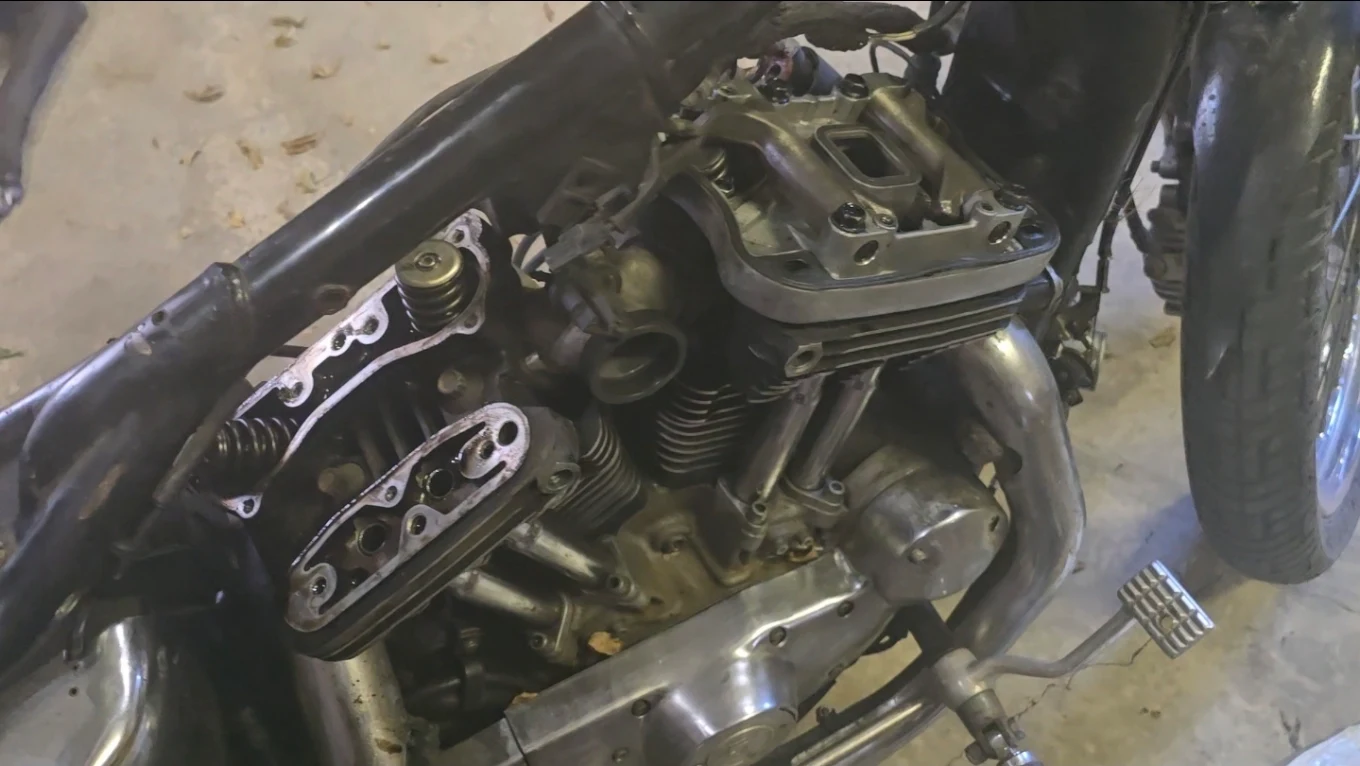
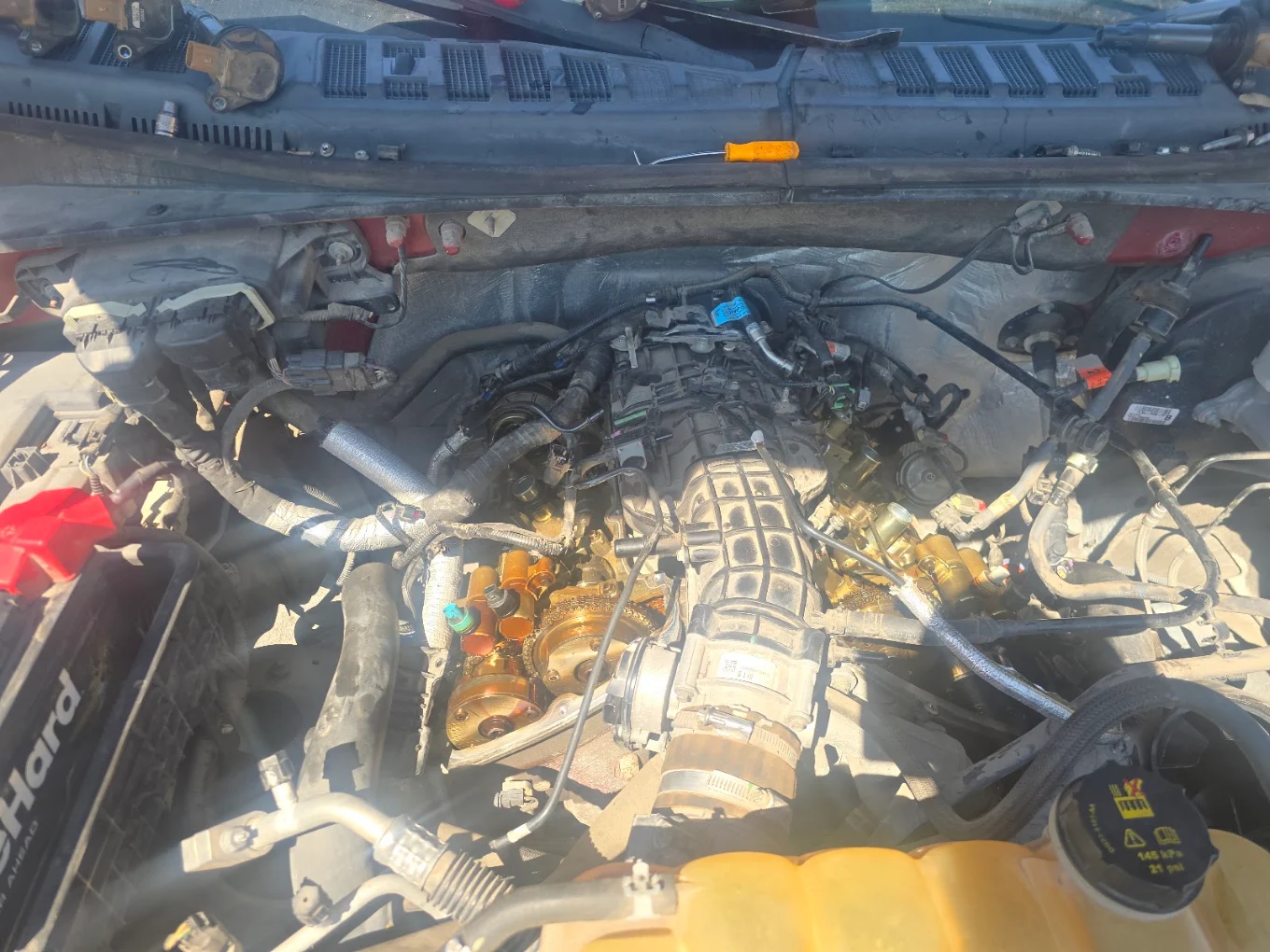
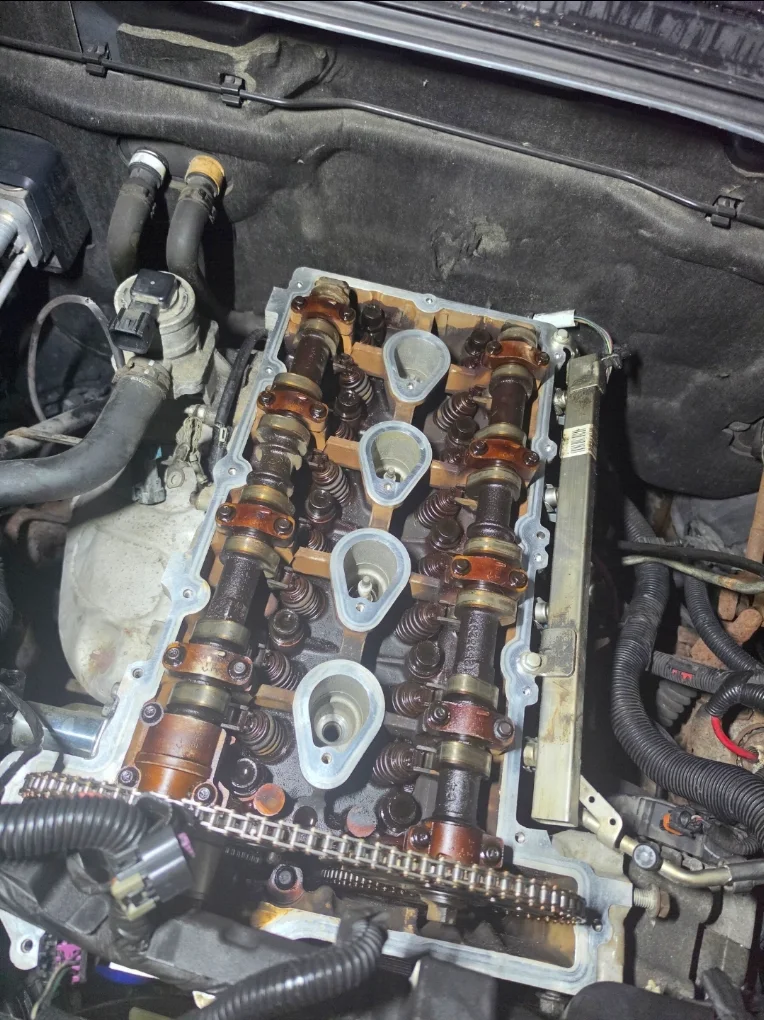
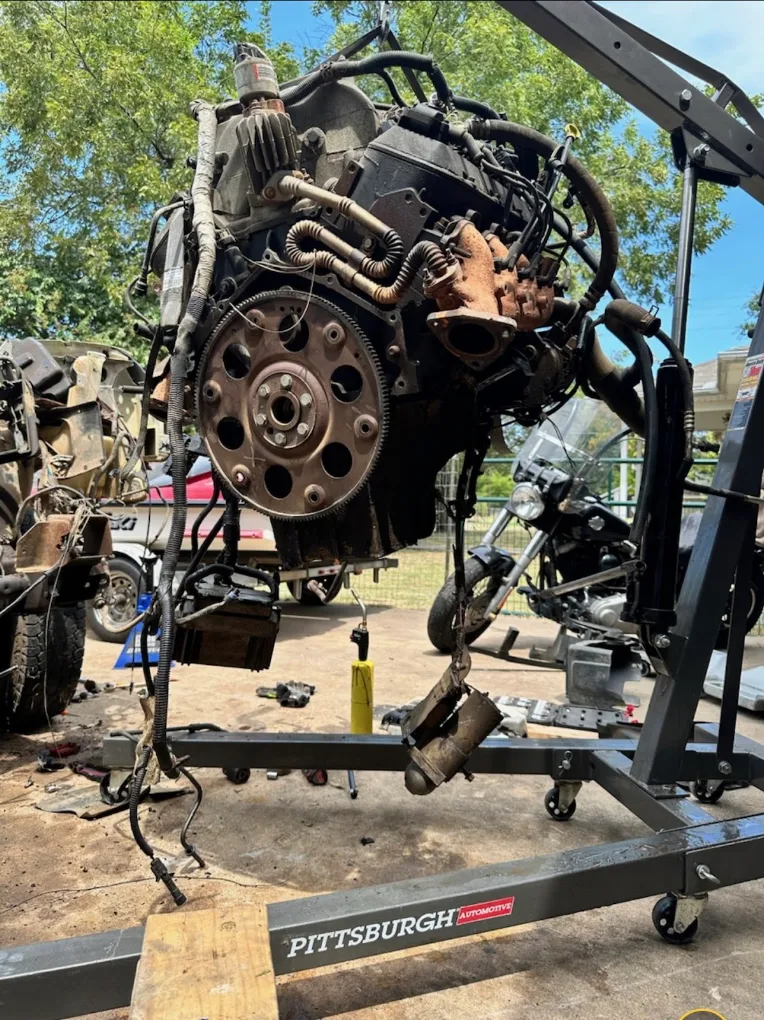
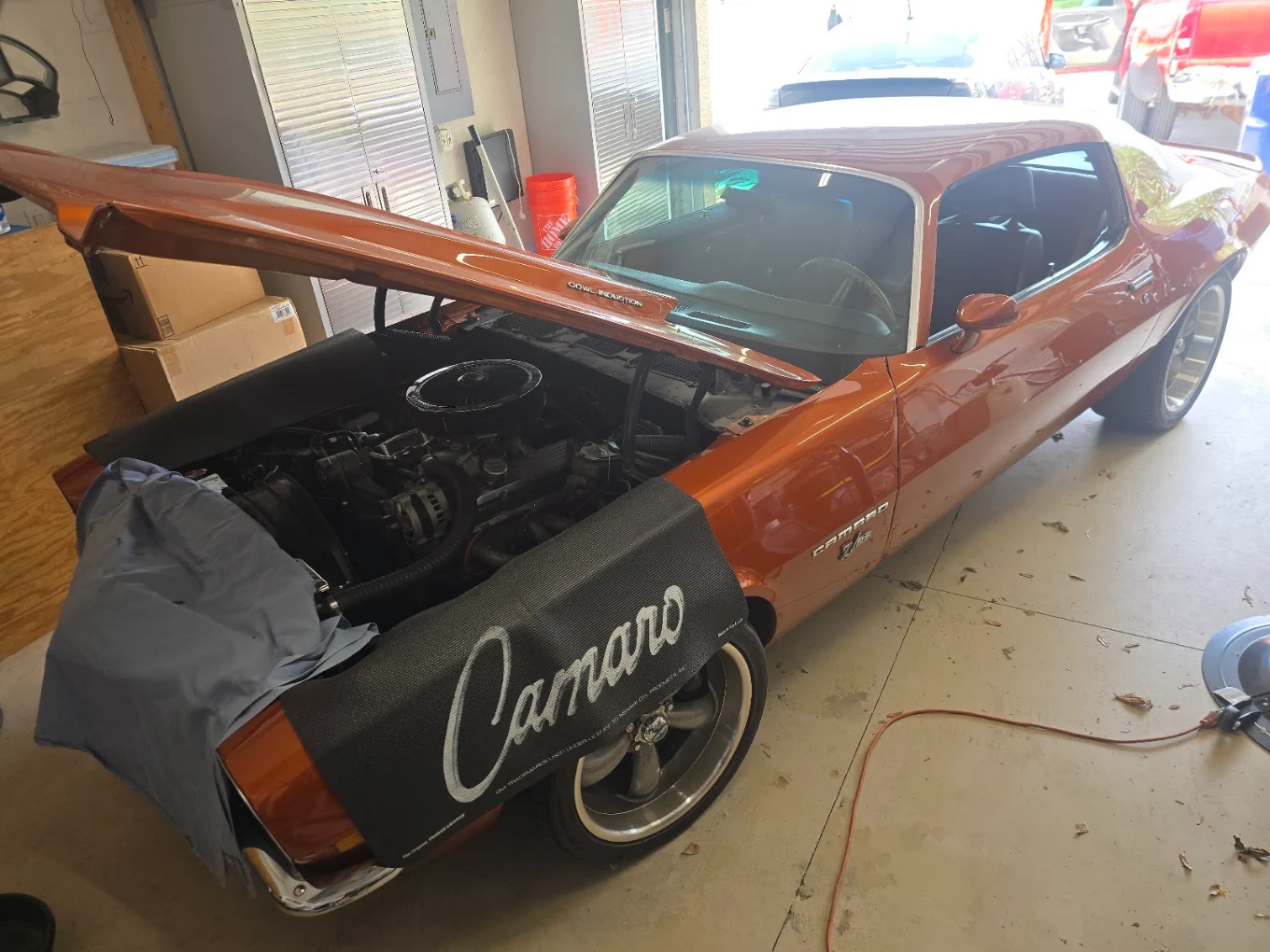
Engine work calls for patience, planning, and attention to how components fit and function together.
Make the solution fit the problem.
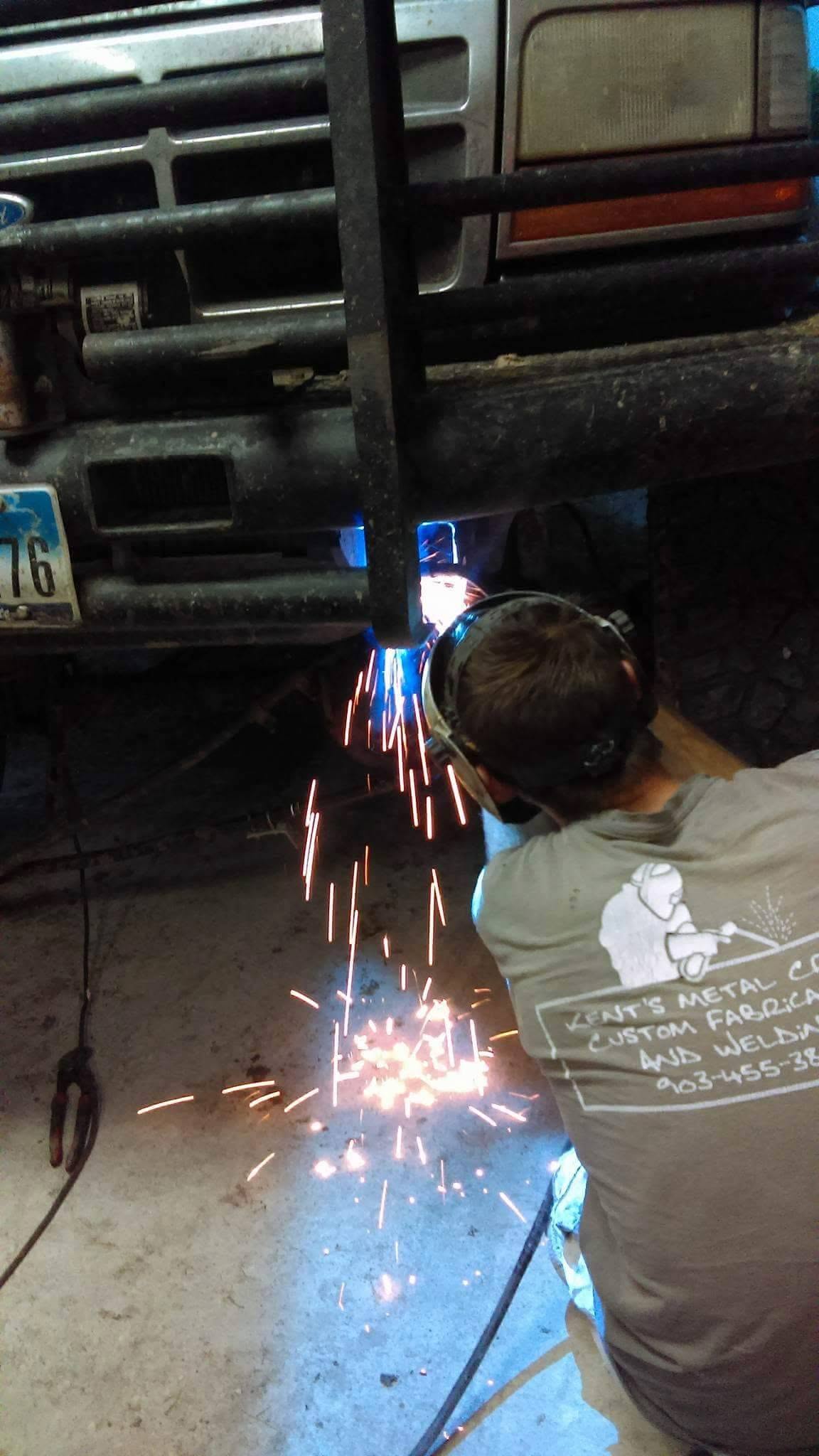
Some repairs involve more than replacing a component. This image shows fabrication work carried out as part of a vehicle repair.
Mobile service, where the vehicle is.
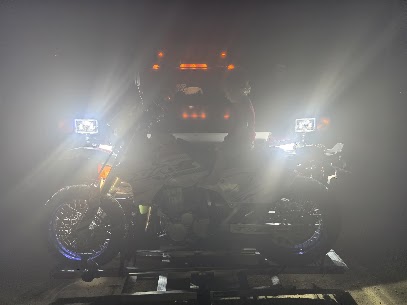
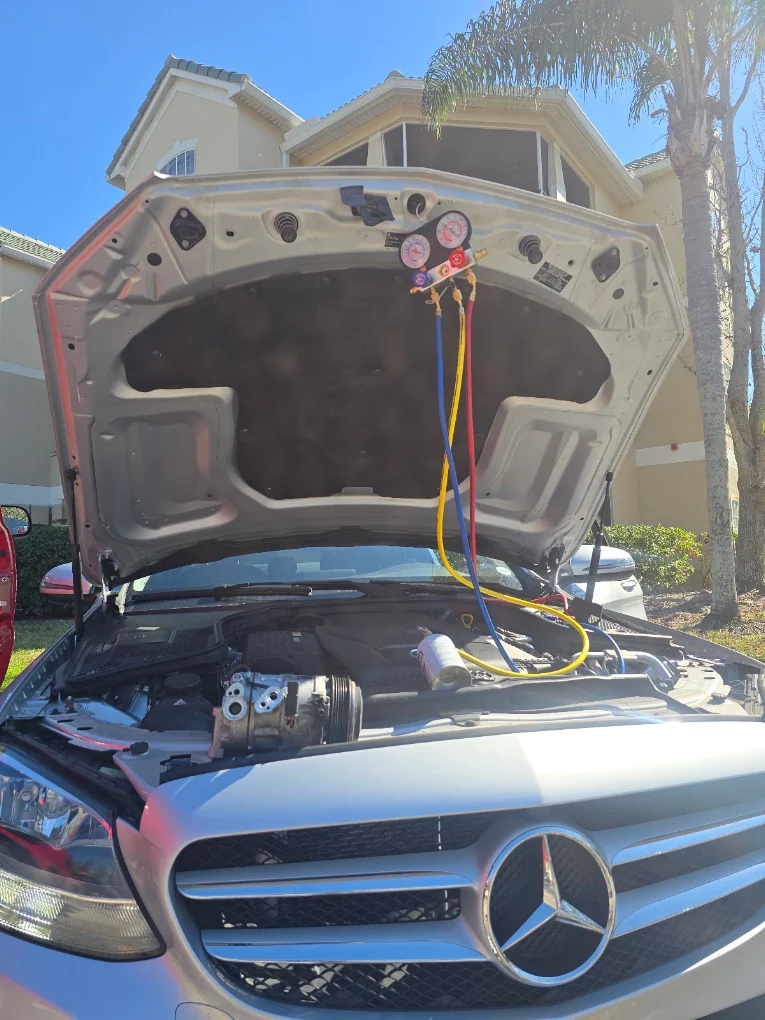
Automotive Excellence brings the work to the customer. A mobile setup adds convenience while keeping the same focus on methodical diagnosis and sound repairs.
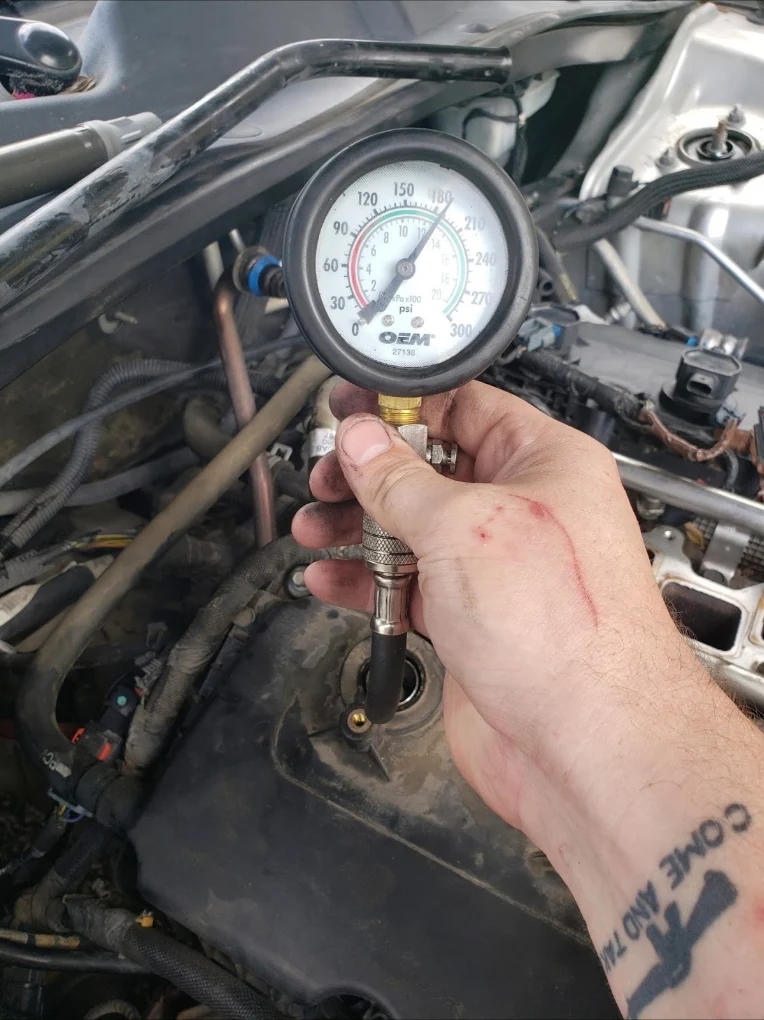
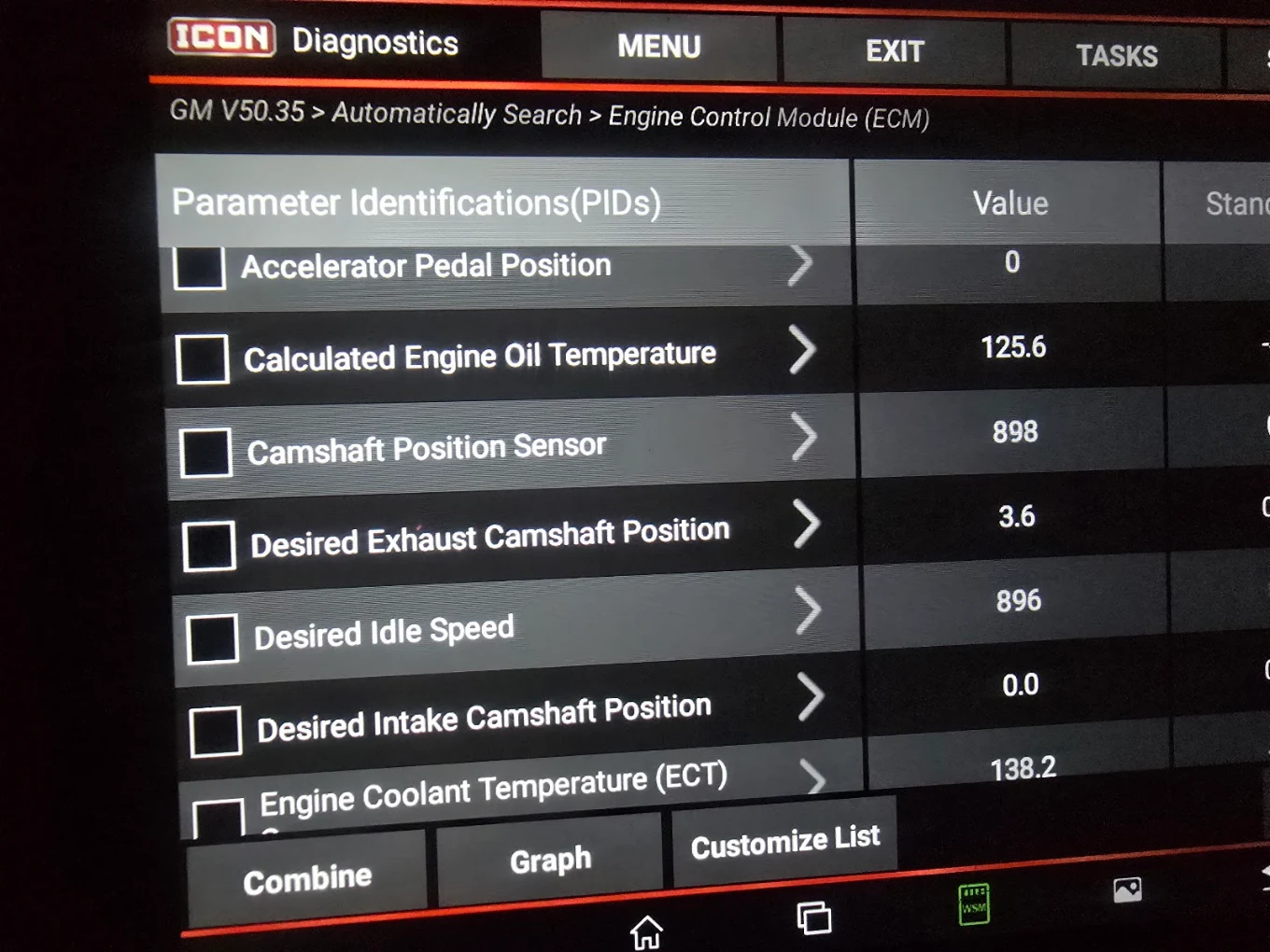
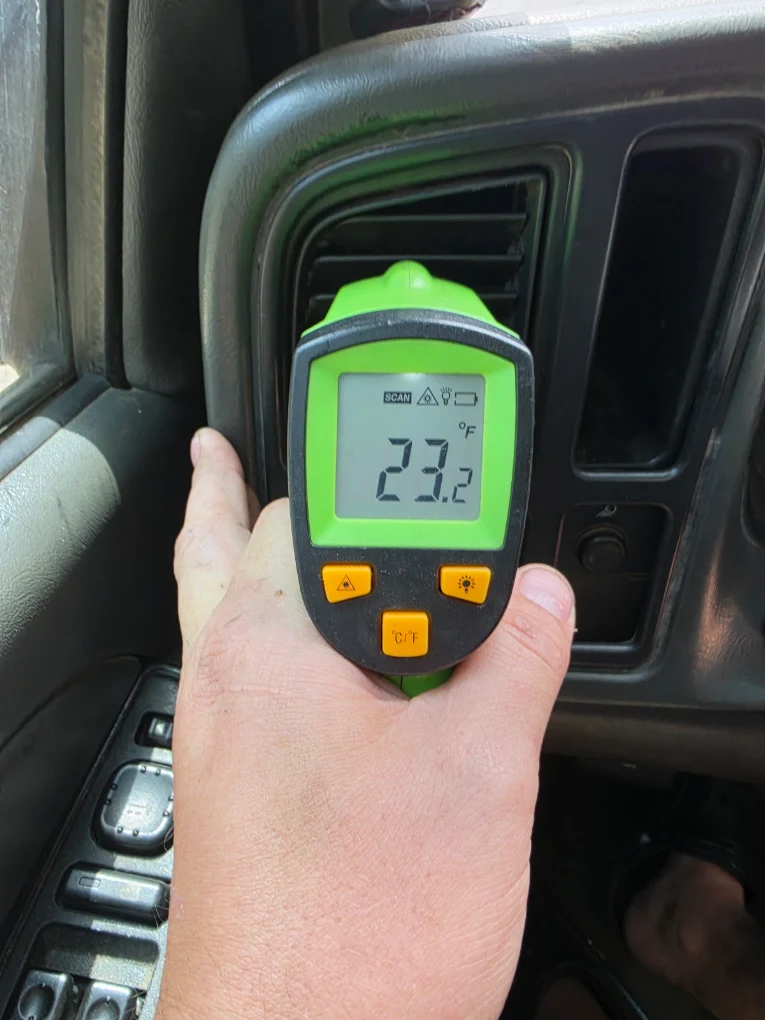
Read the system before changing the part.
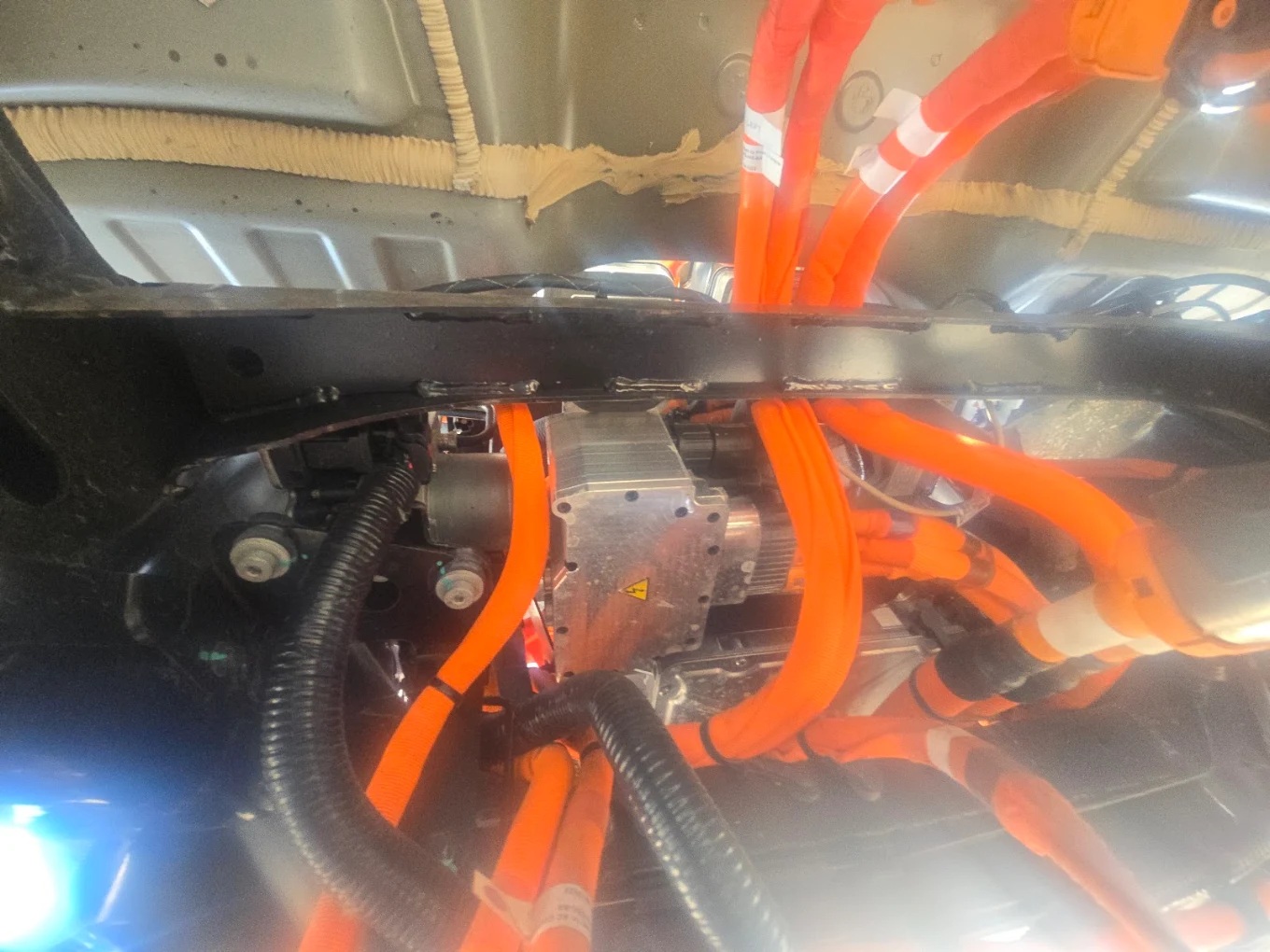
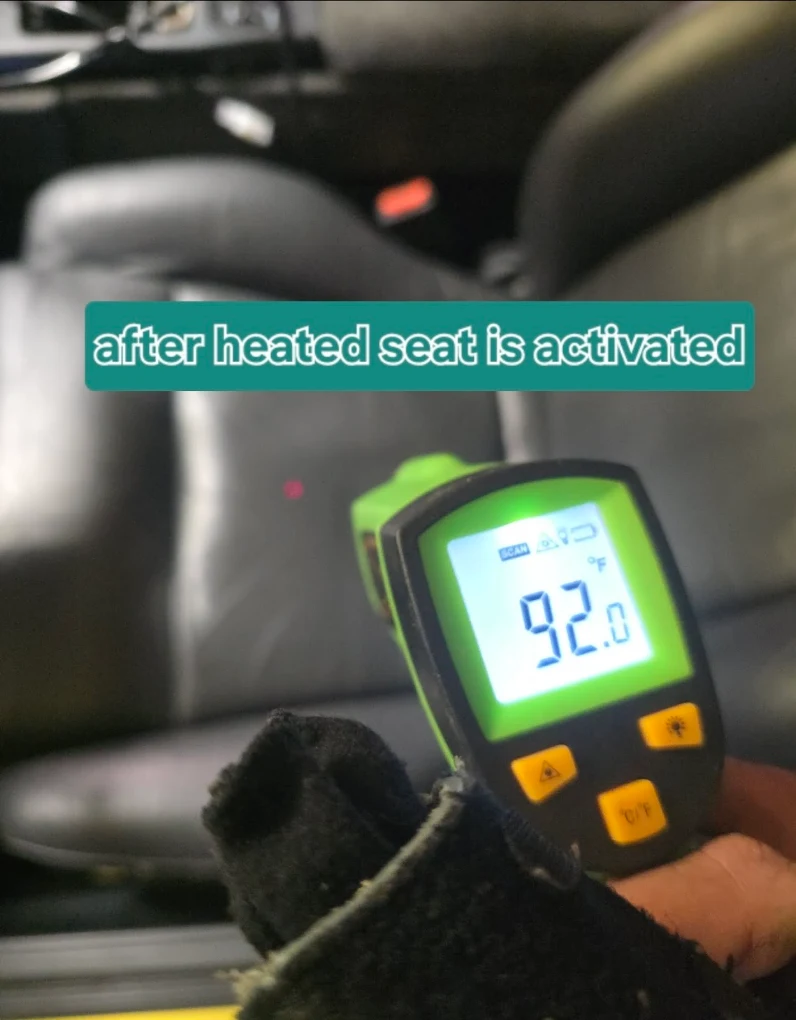
These examples show the diagnostic side of the work: scan data, thermal readings, pressure testing, electrical systems, and the evidence used to decide what happens next.
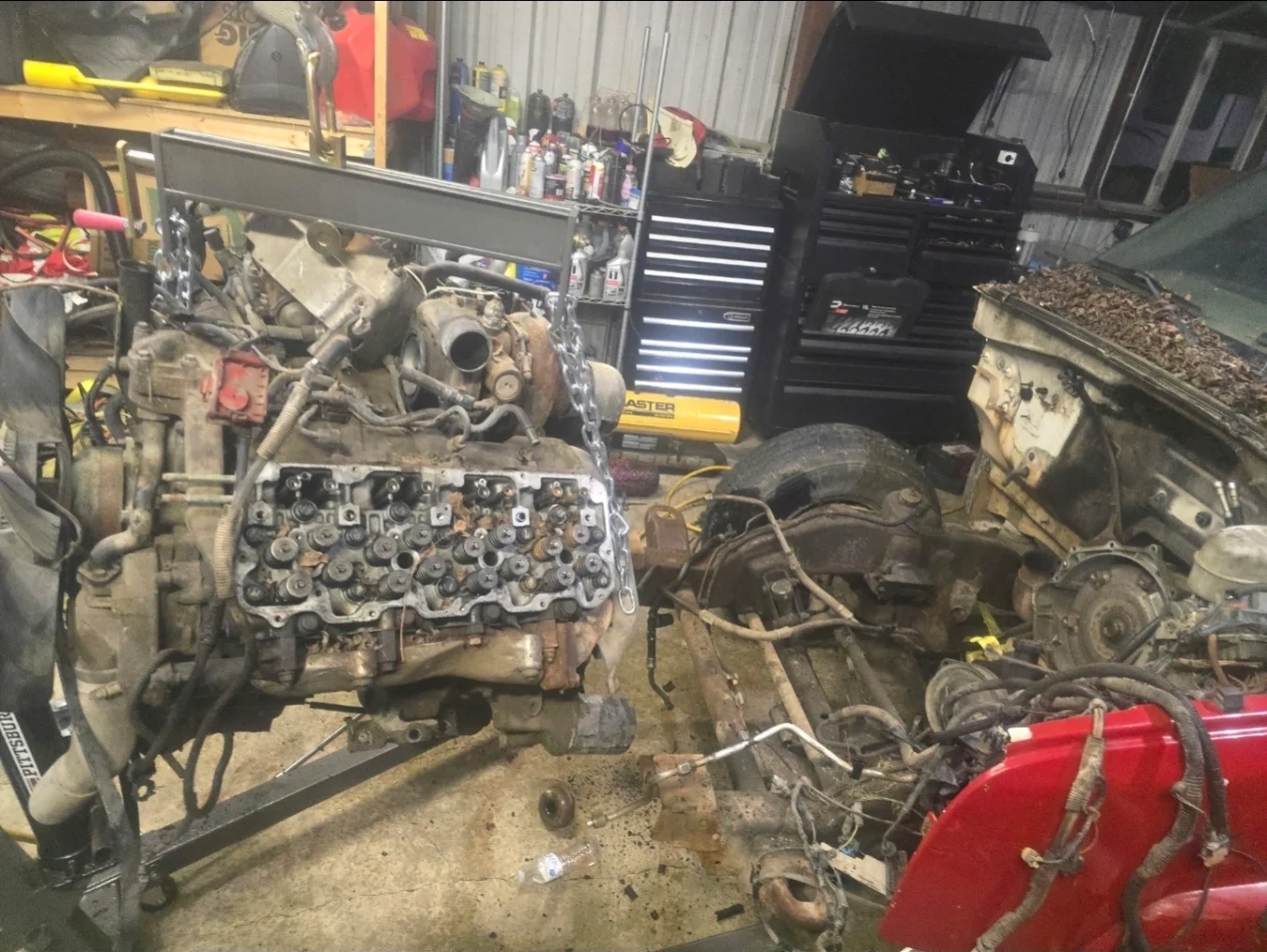
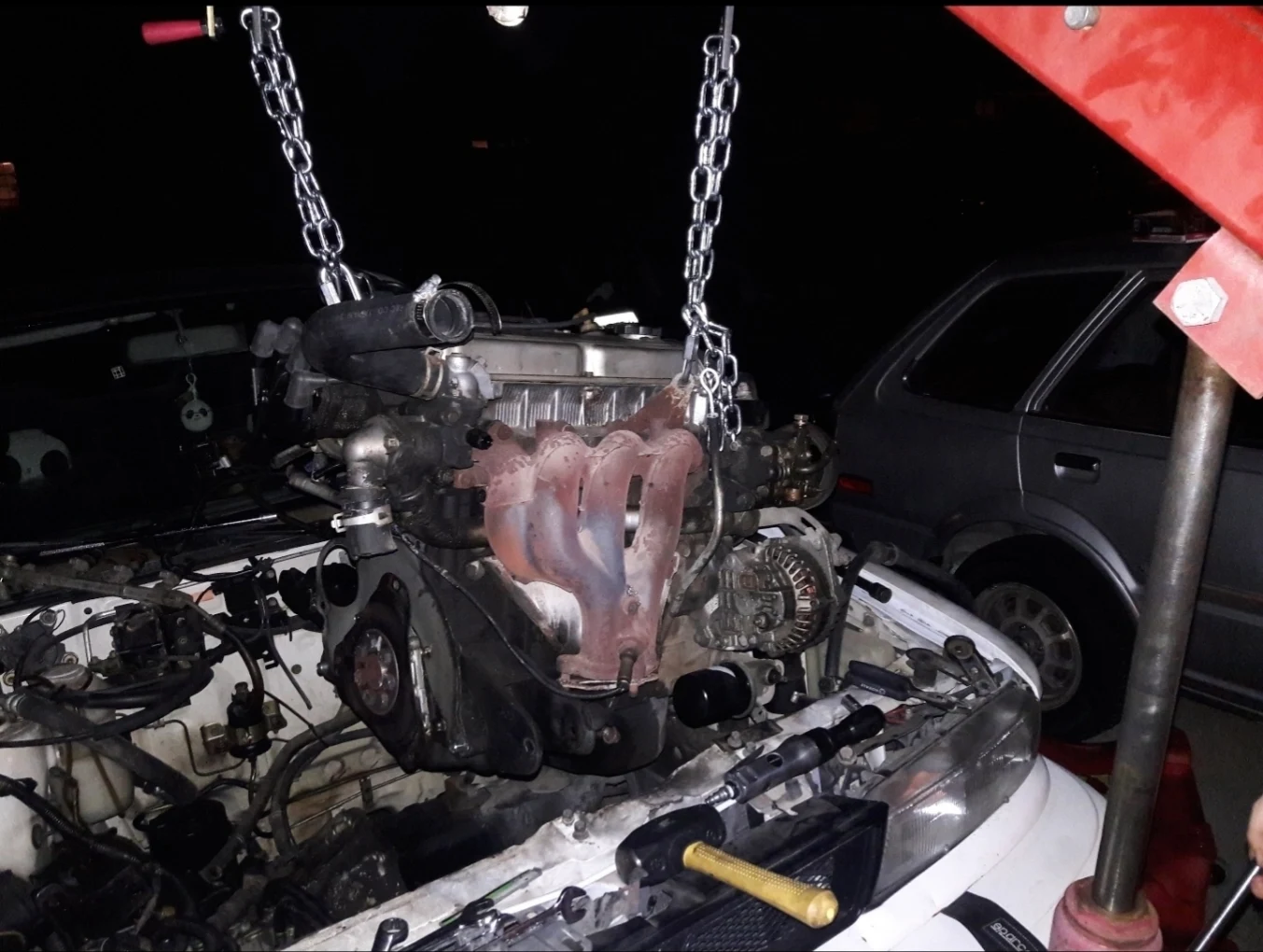
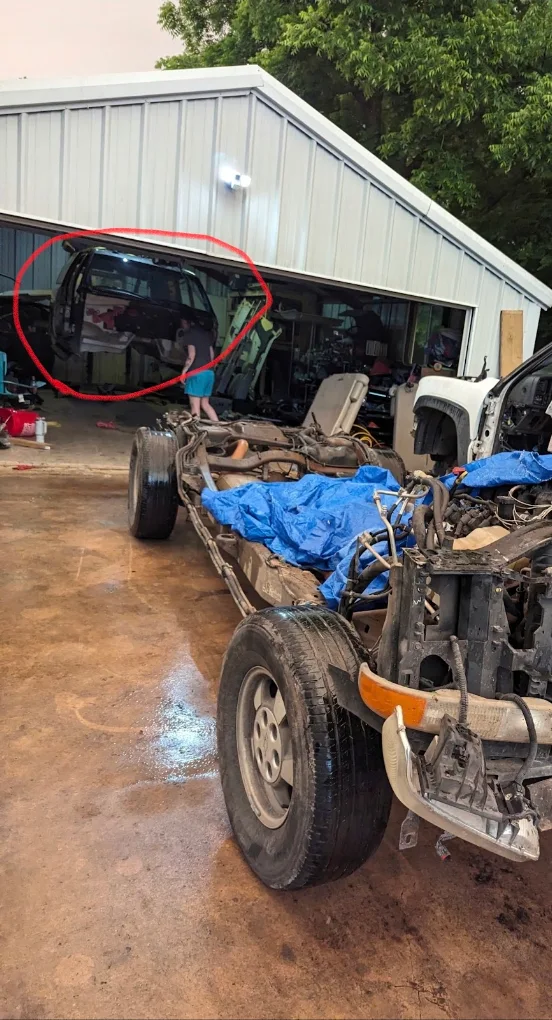
Major work requires a plan.
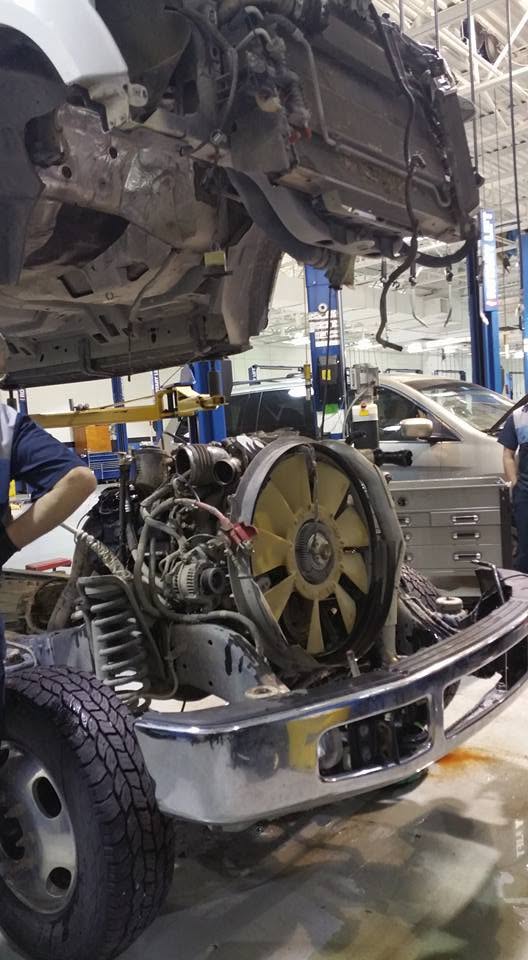
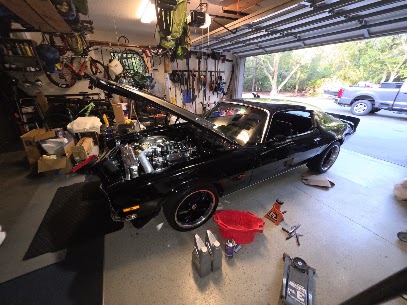
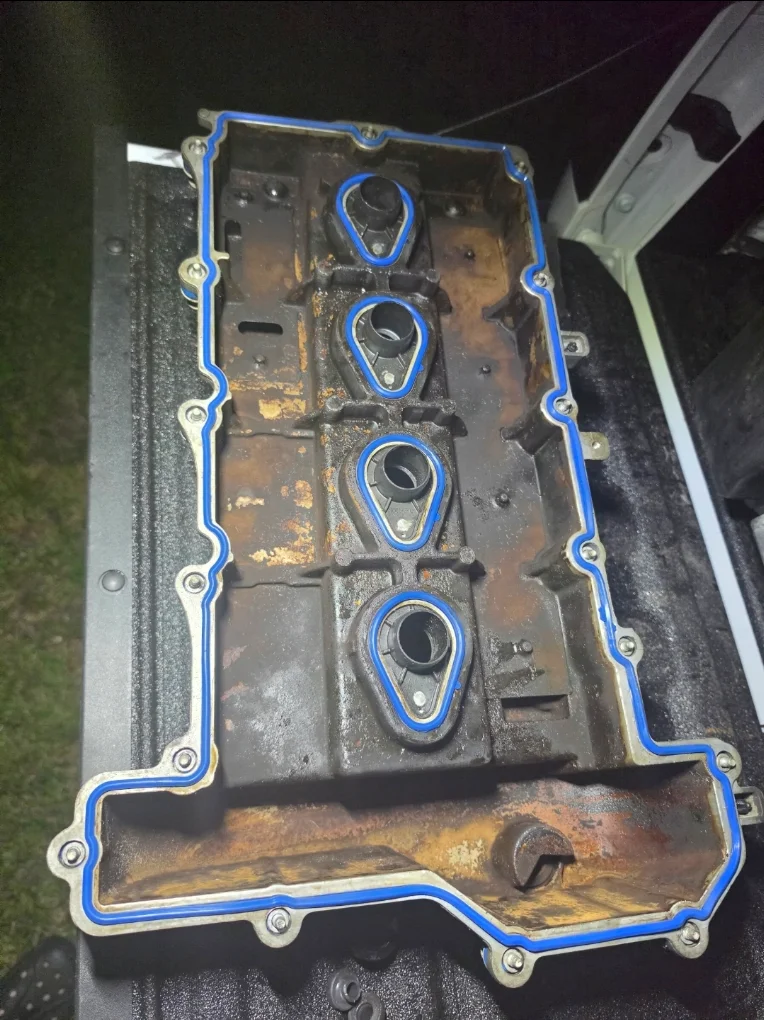
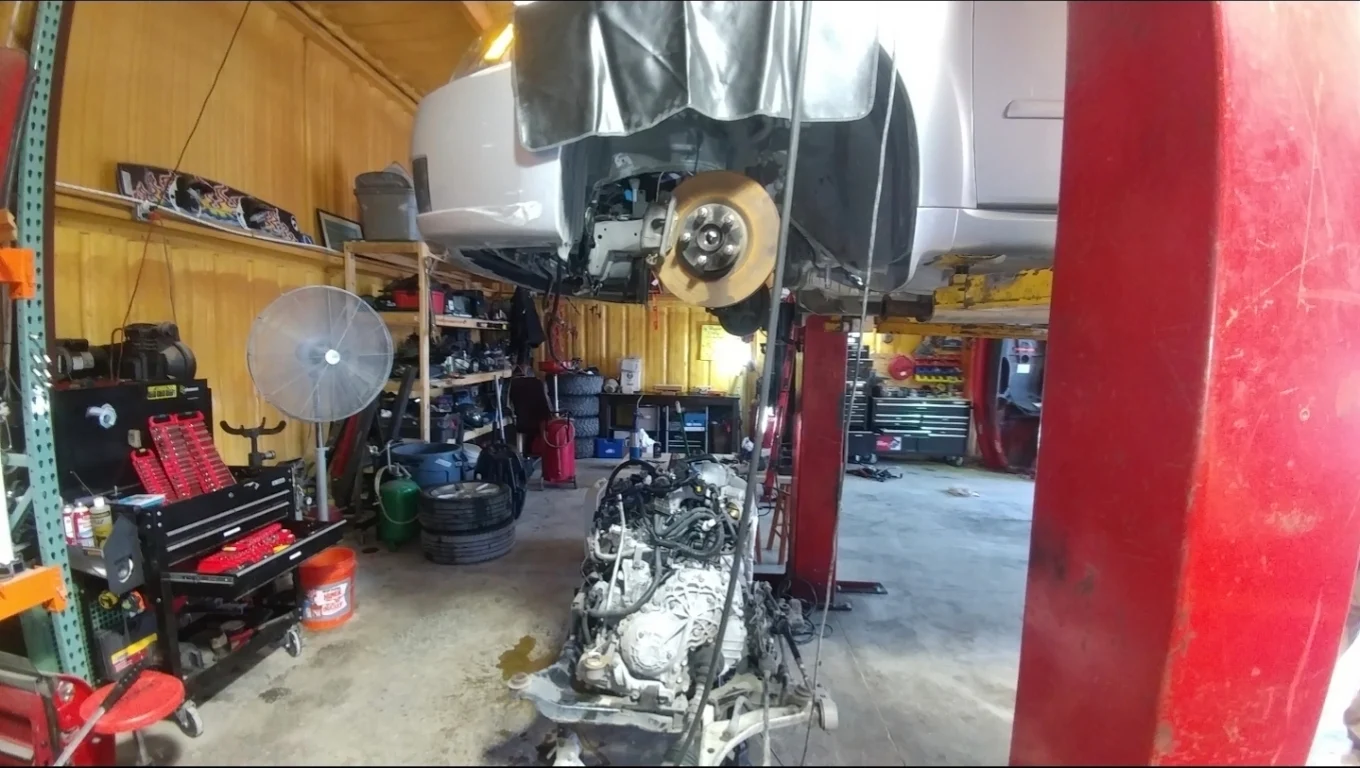
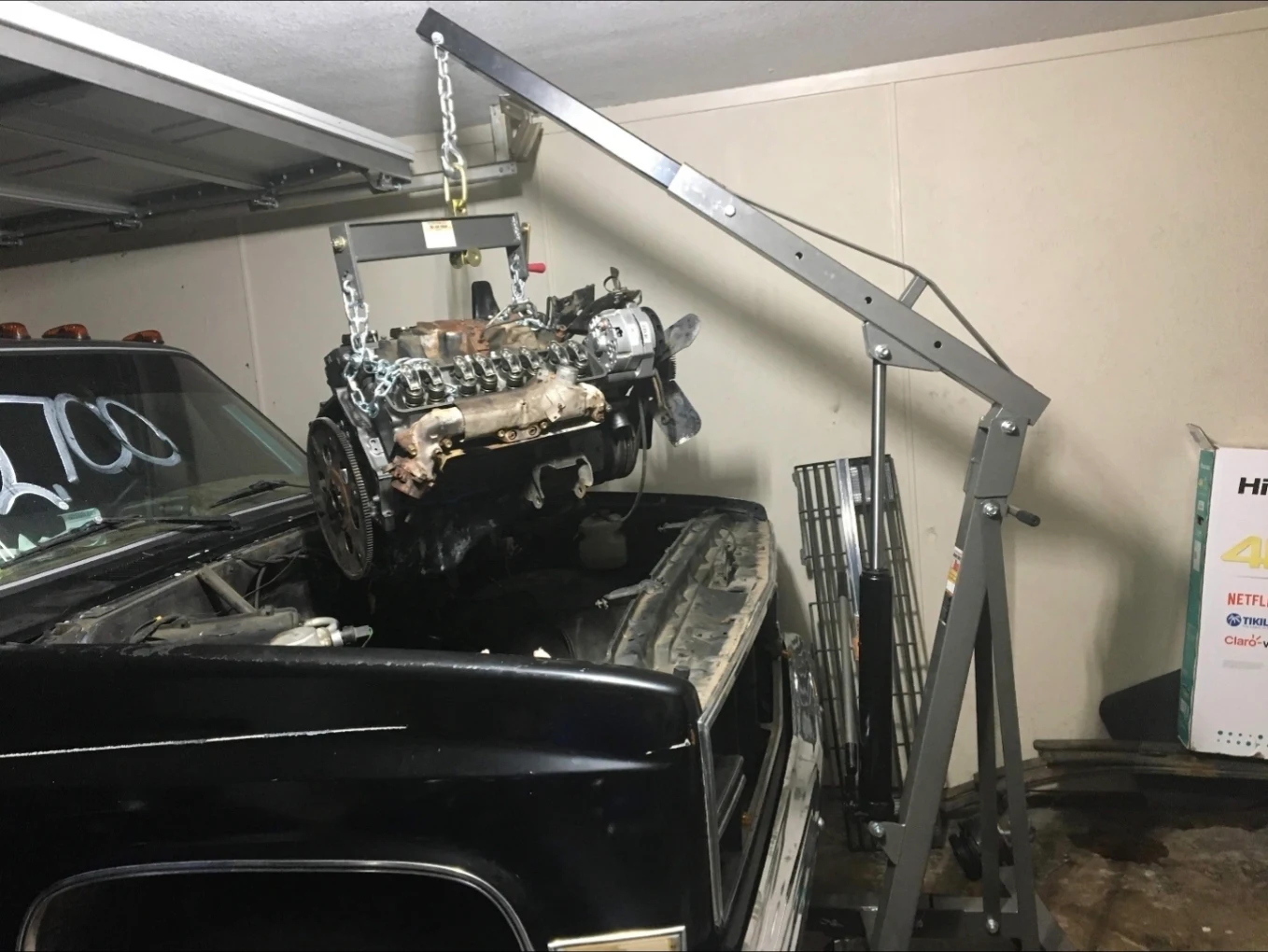
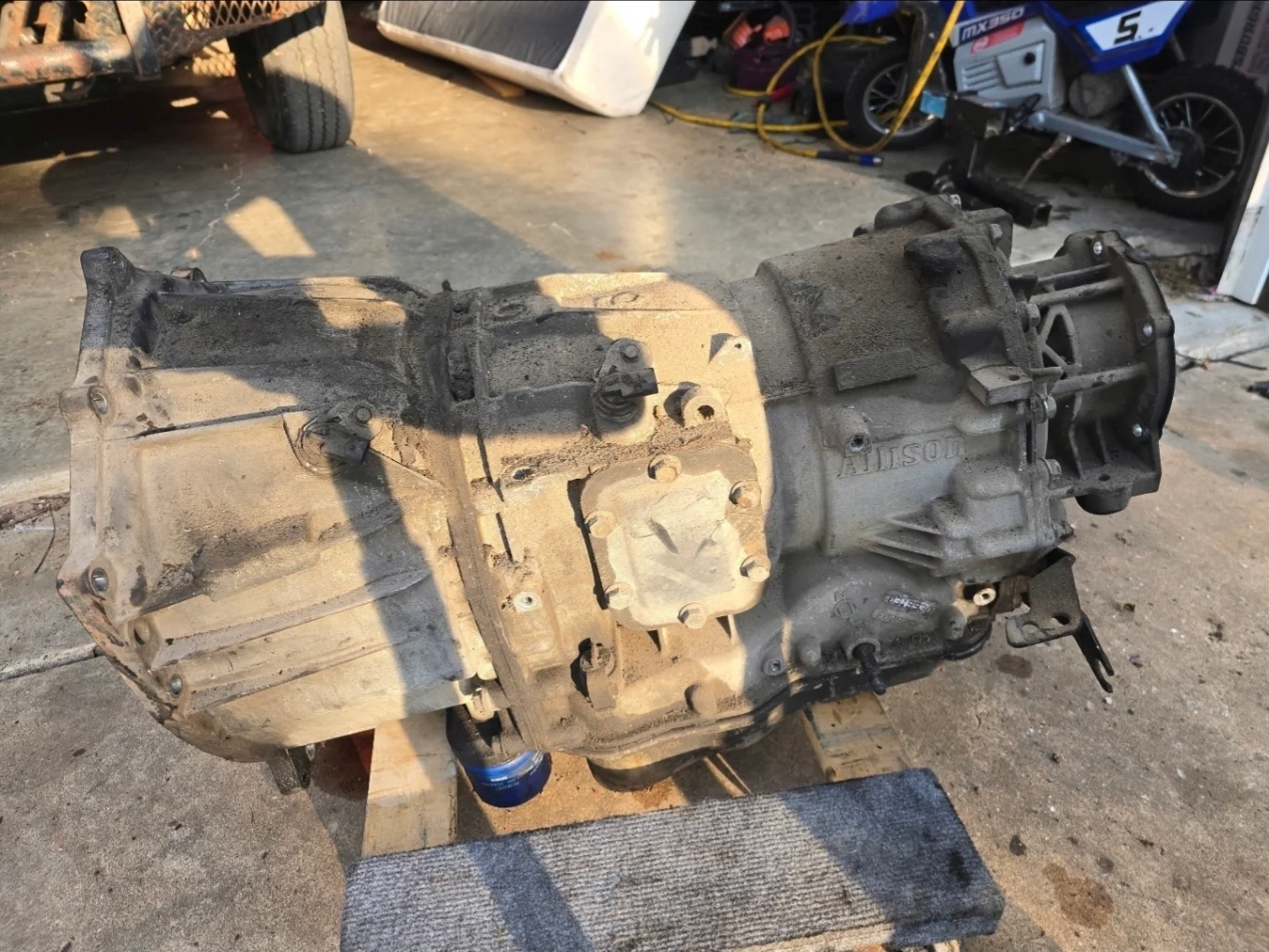
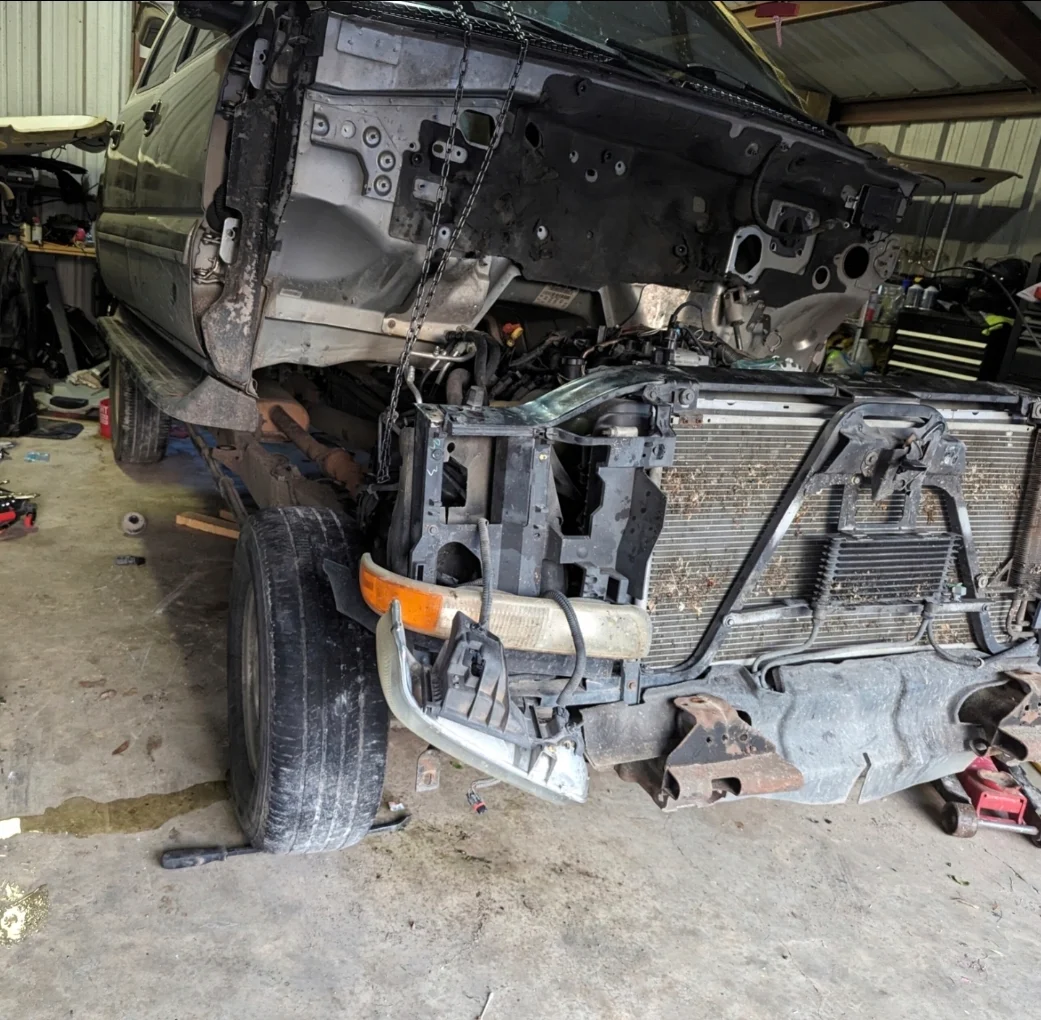
From engine assemblies and valve covers to drivetrain removal, these photos show the detailed work that happens before a vehicle is ready to go back on the road.
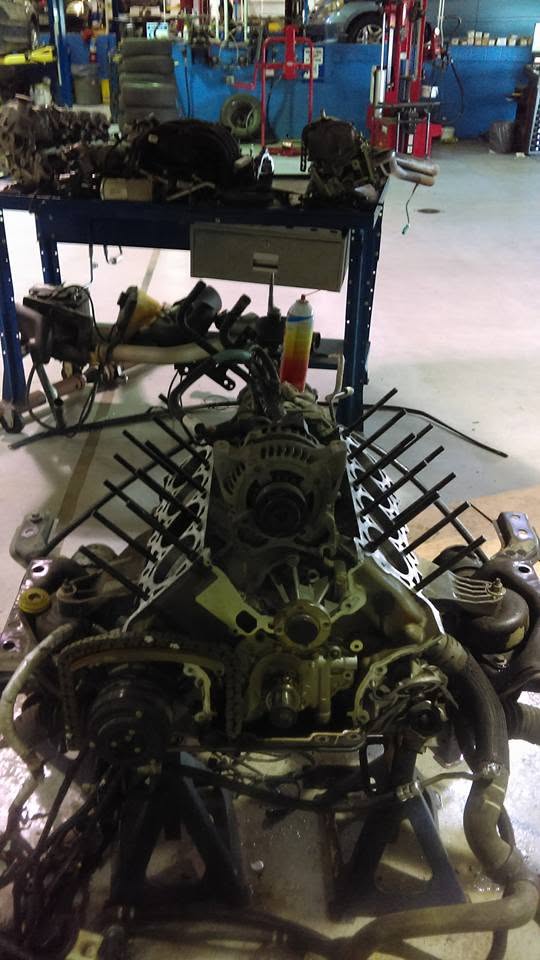
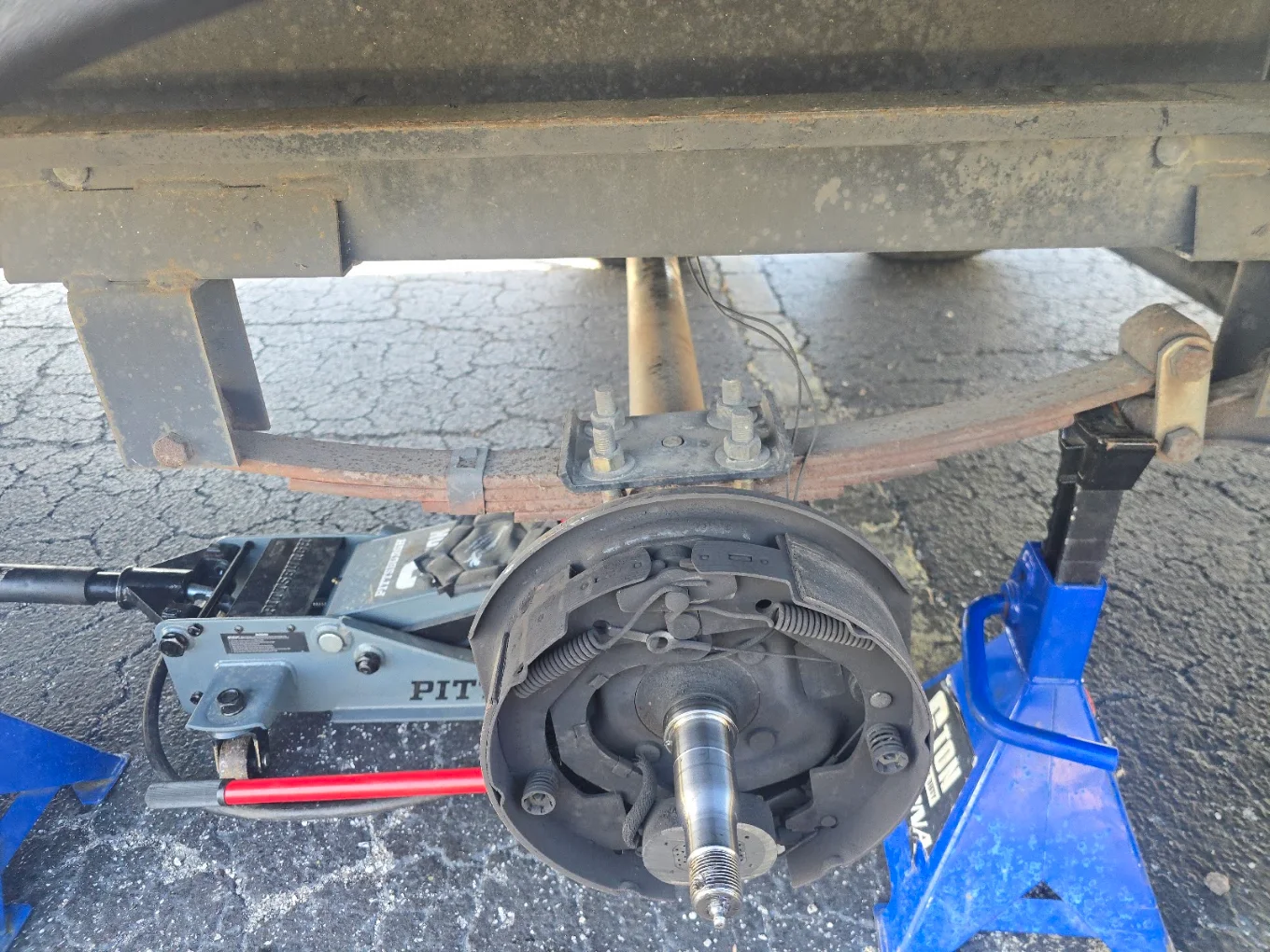
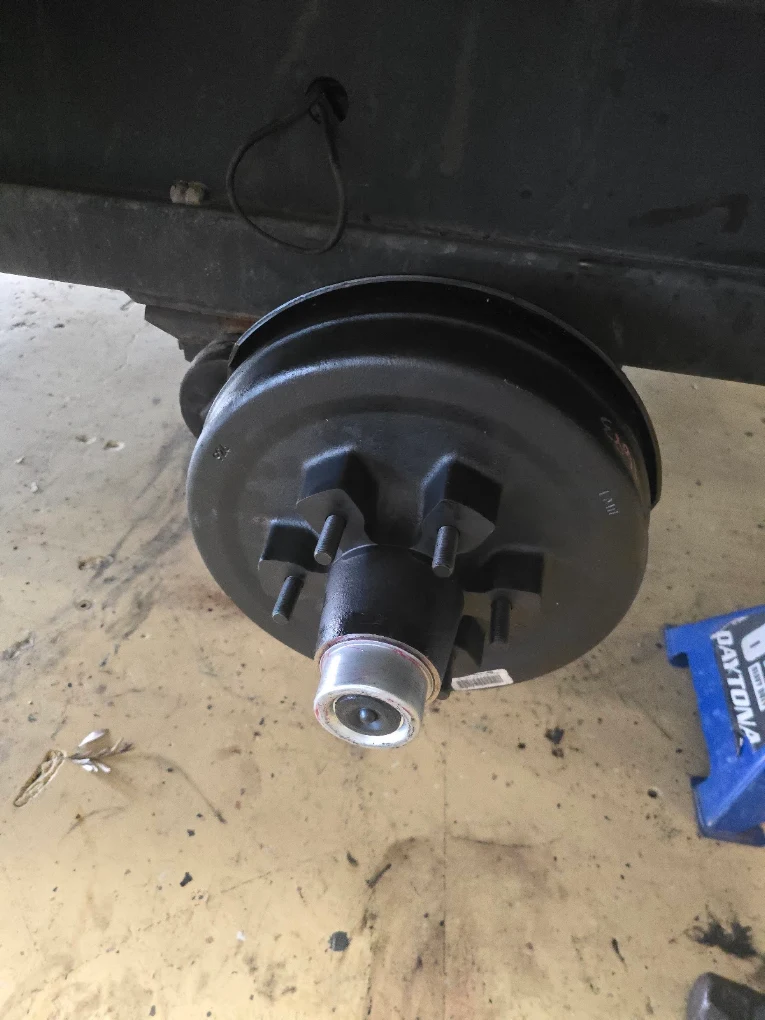
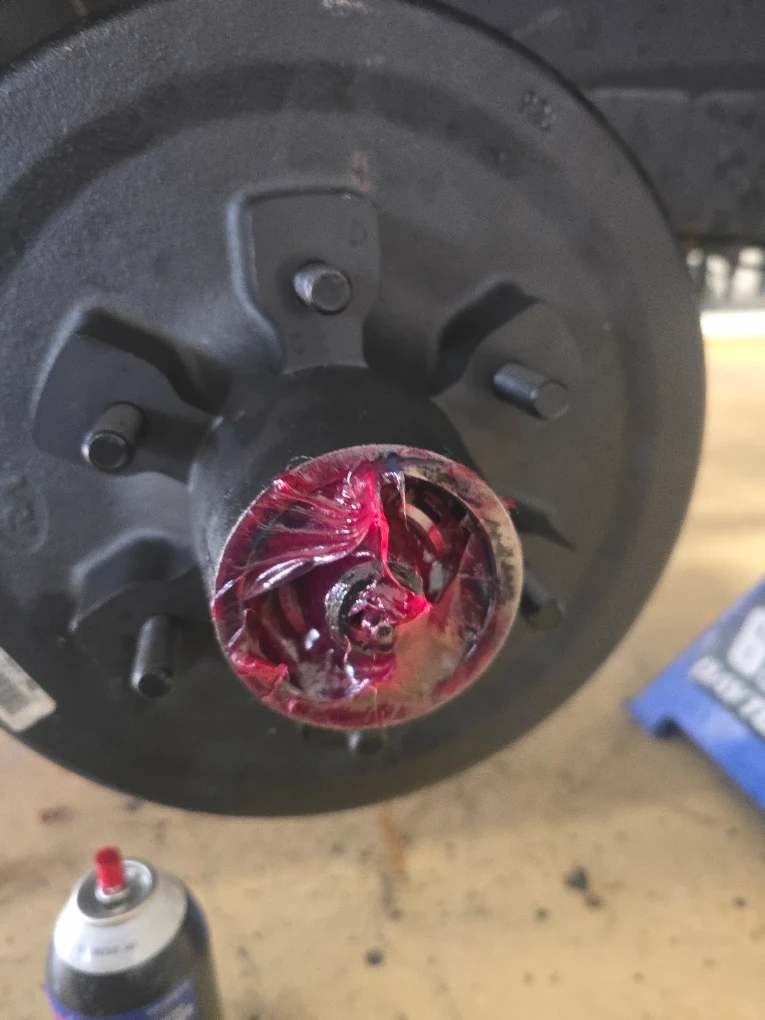
Inspect the parts you cannot see from the driver’s seat.
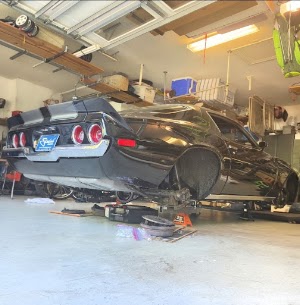
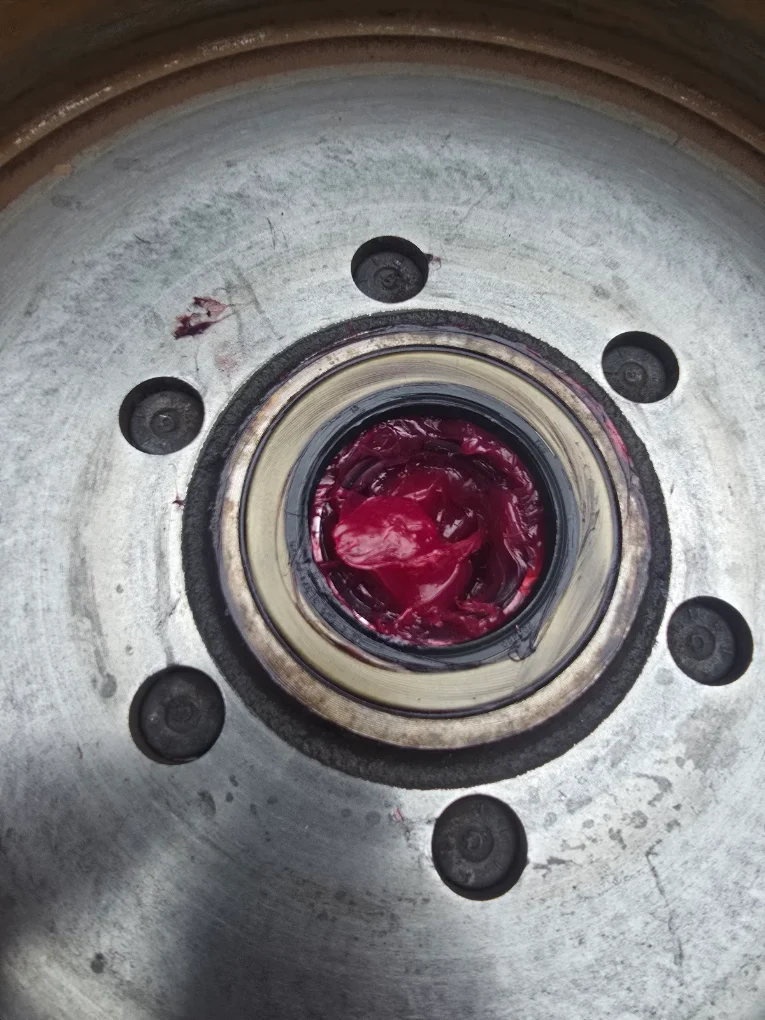
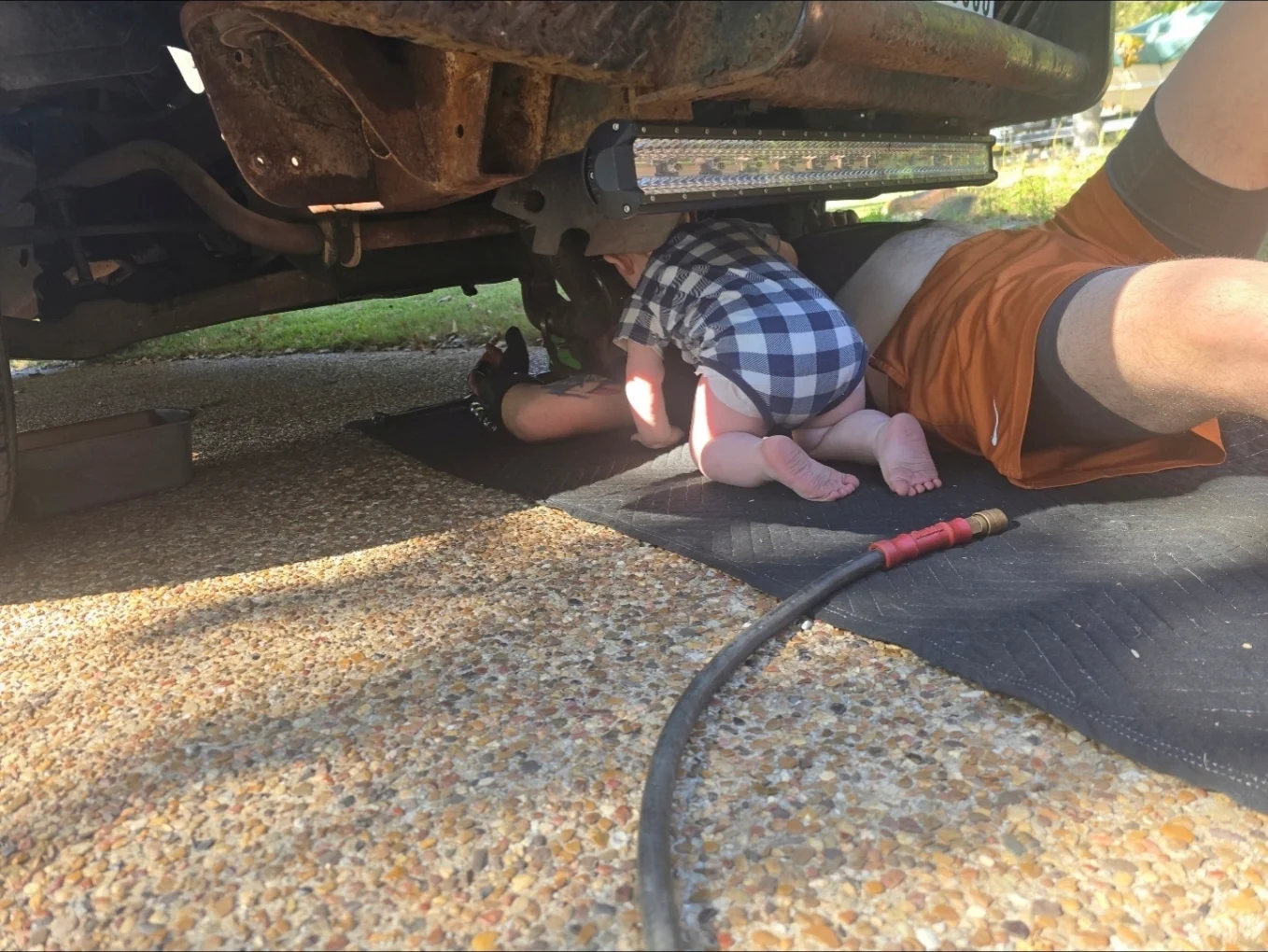
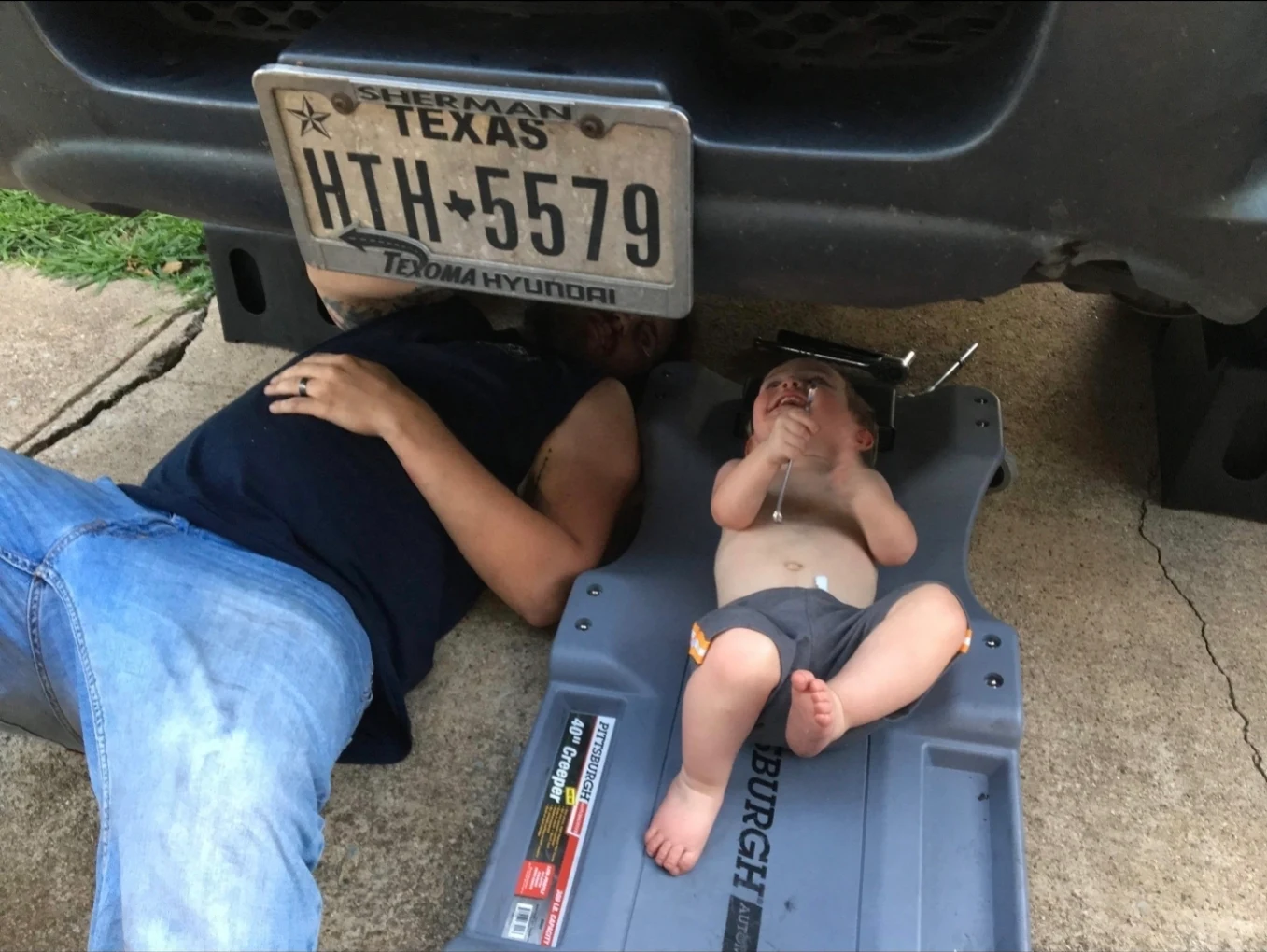
Wheel hubs, brakes, suspension, and underbody repairs often require getting close to the vehicle and checking the components directly.
Every vehicle brings its own problem to solve.
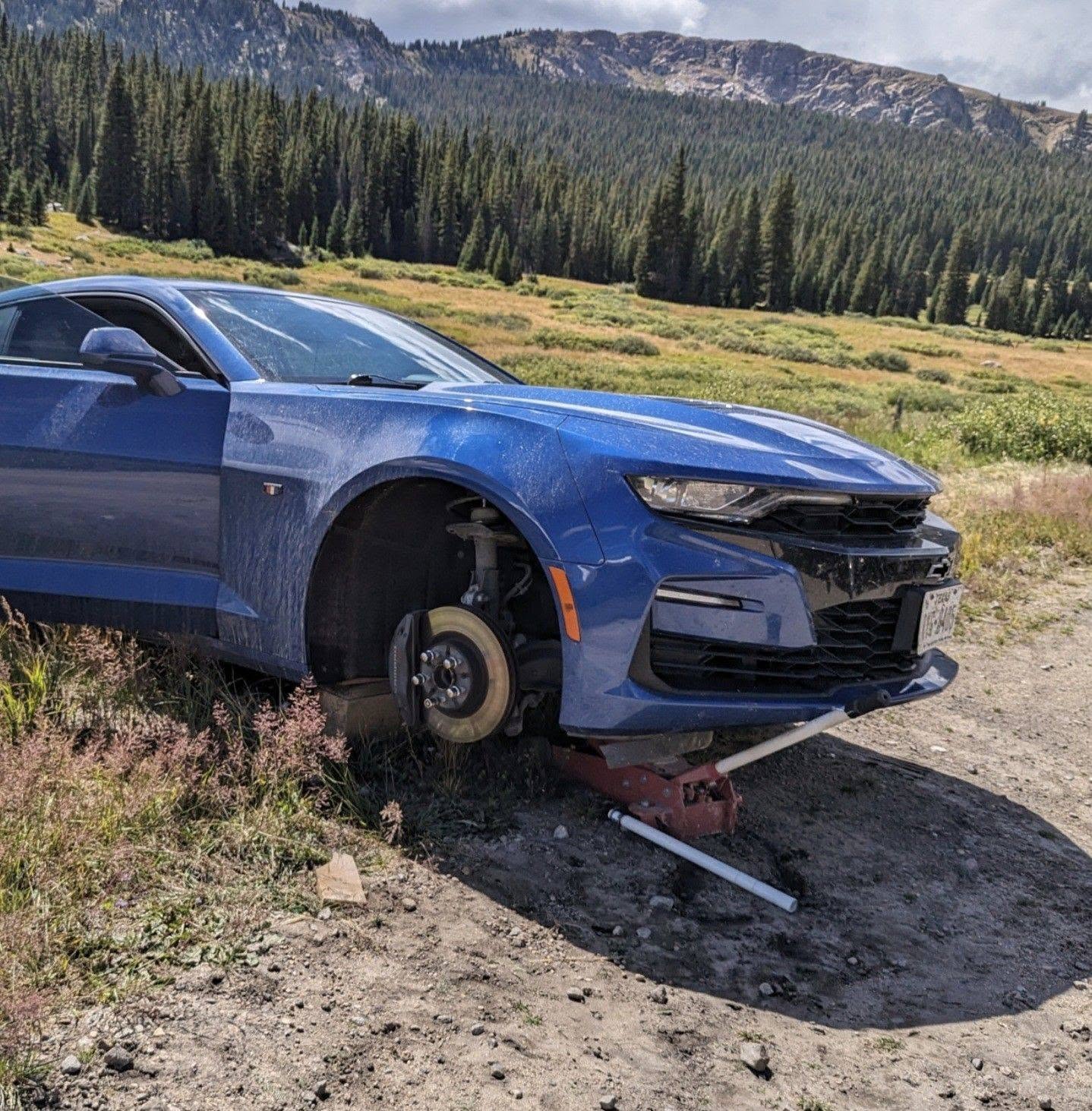
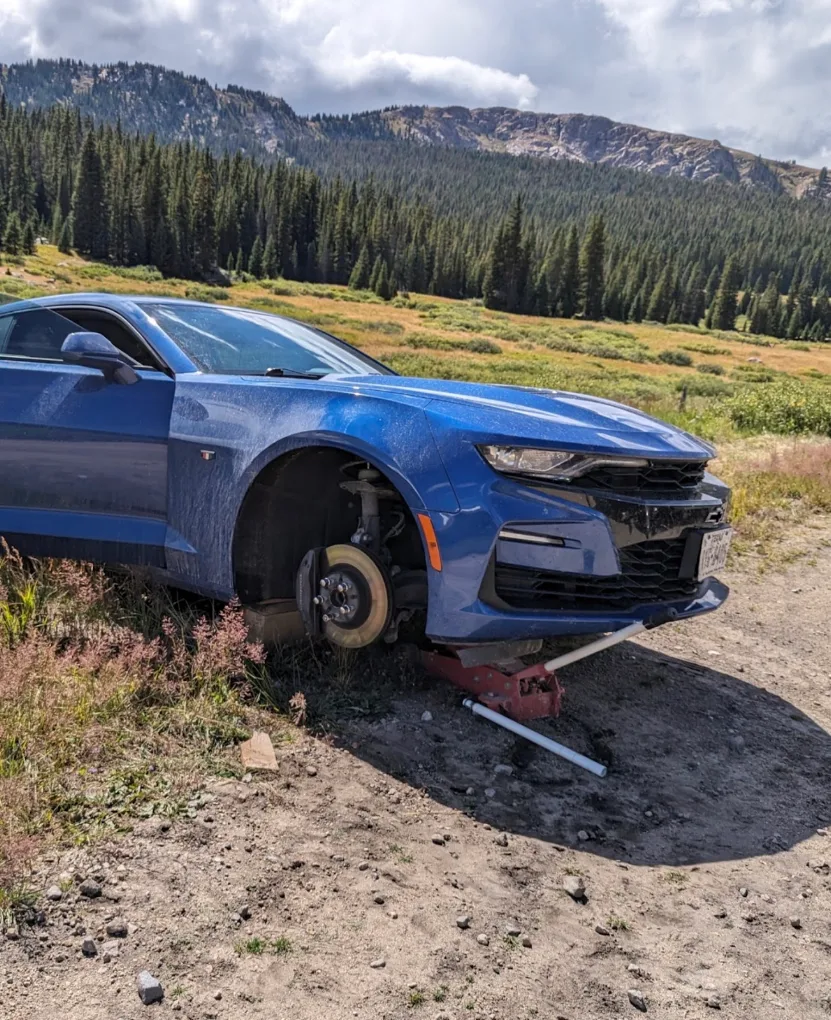
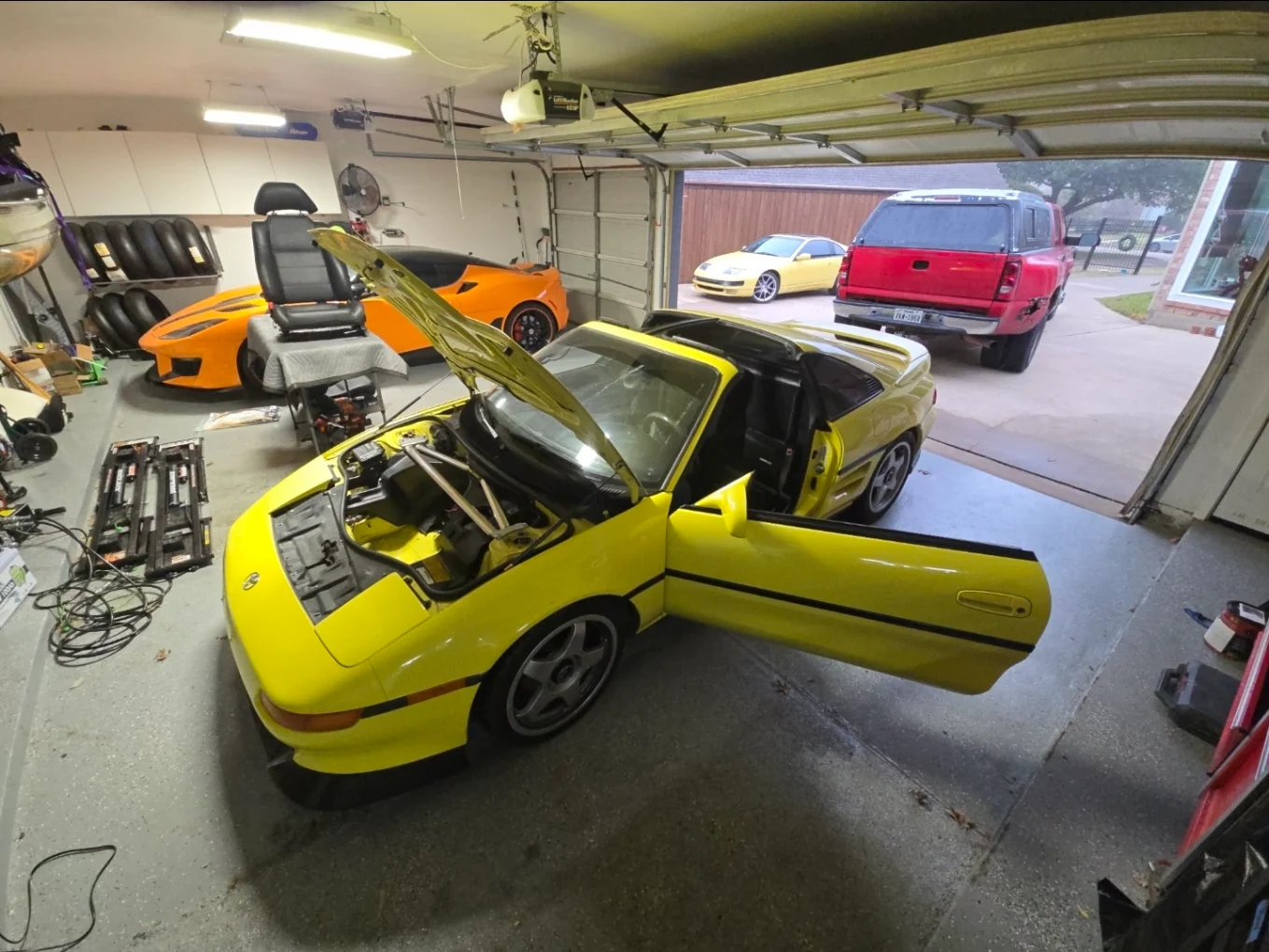
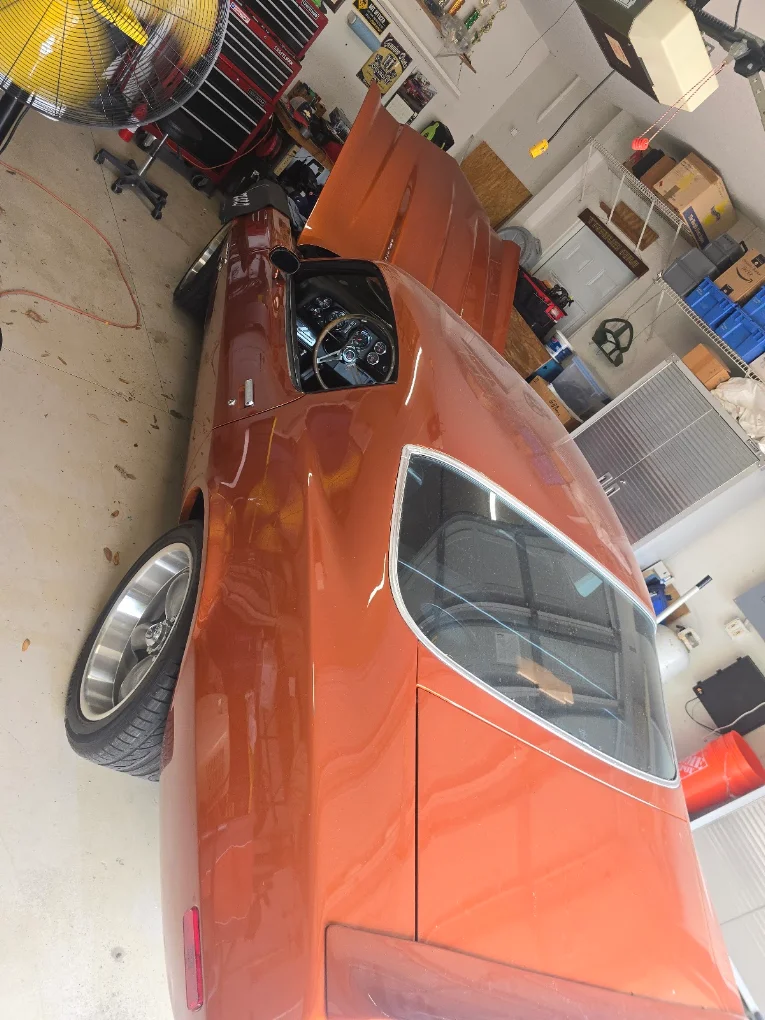
These images show the range of vehicles and working environments Automotive Excellence handles—from roadside situations to detailed workshop projects.
Start with a clear conversation.
Tell Sjon what the vehicle is doing, what has already been checked, and where it is located. He’ll help you understand a sensible next step.